Ballet vs. Jazz vs. Tap vs. Hip Hop: What's the Difference?
When exploring dance classes for kids and teens, you'll quickly discover that there are many different styles to choose from. Ballet, jazz, tap, and hip hop are some of the most popular, but what exactly makes each one different?
While all four styles encourage movement, creativity, and coordination, each offers a unique approach to dance. Some emphasize technique and graceful movements, while others focus on rhythm, energetic choreography, or personal expression.
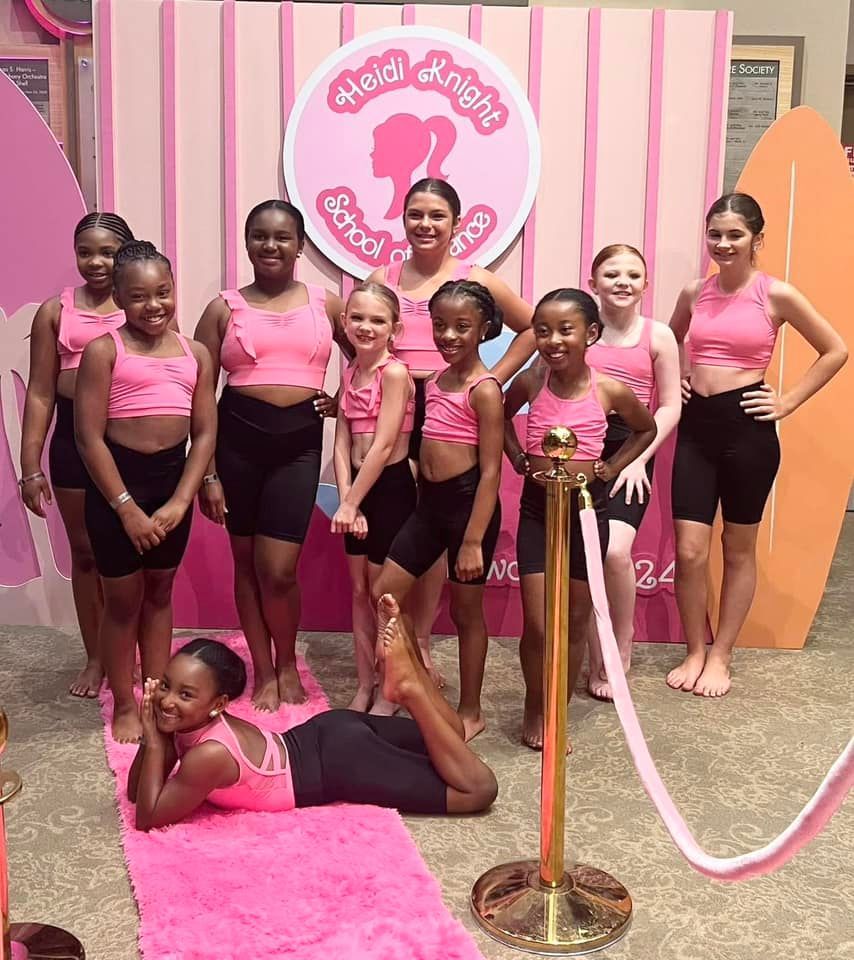
At Heidi Knight School of Dance, we offer a variety of dance styles for children and teens in Huntsville, Madison, Monrovia, Harvest, and surrounding Alabama communities. Our classes help dancers develop their skills, build confidence, and discover the styles they enjoy most.
Let's explore what makes ballet, jazz, tap, and hip hop different and what students can expect when learning each style.
Ballet: Building a Strong Dance Foundation
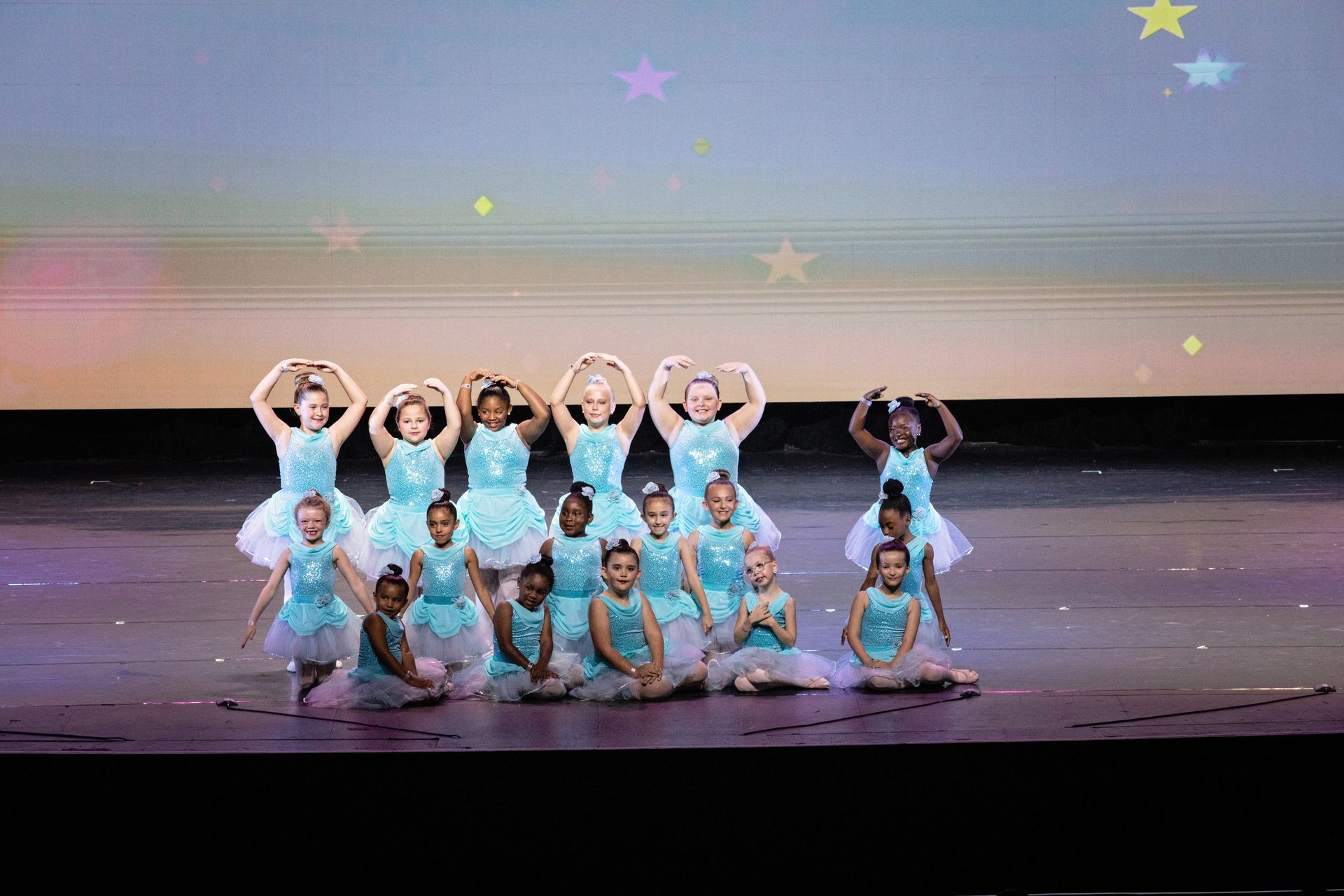
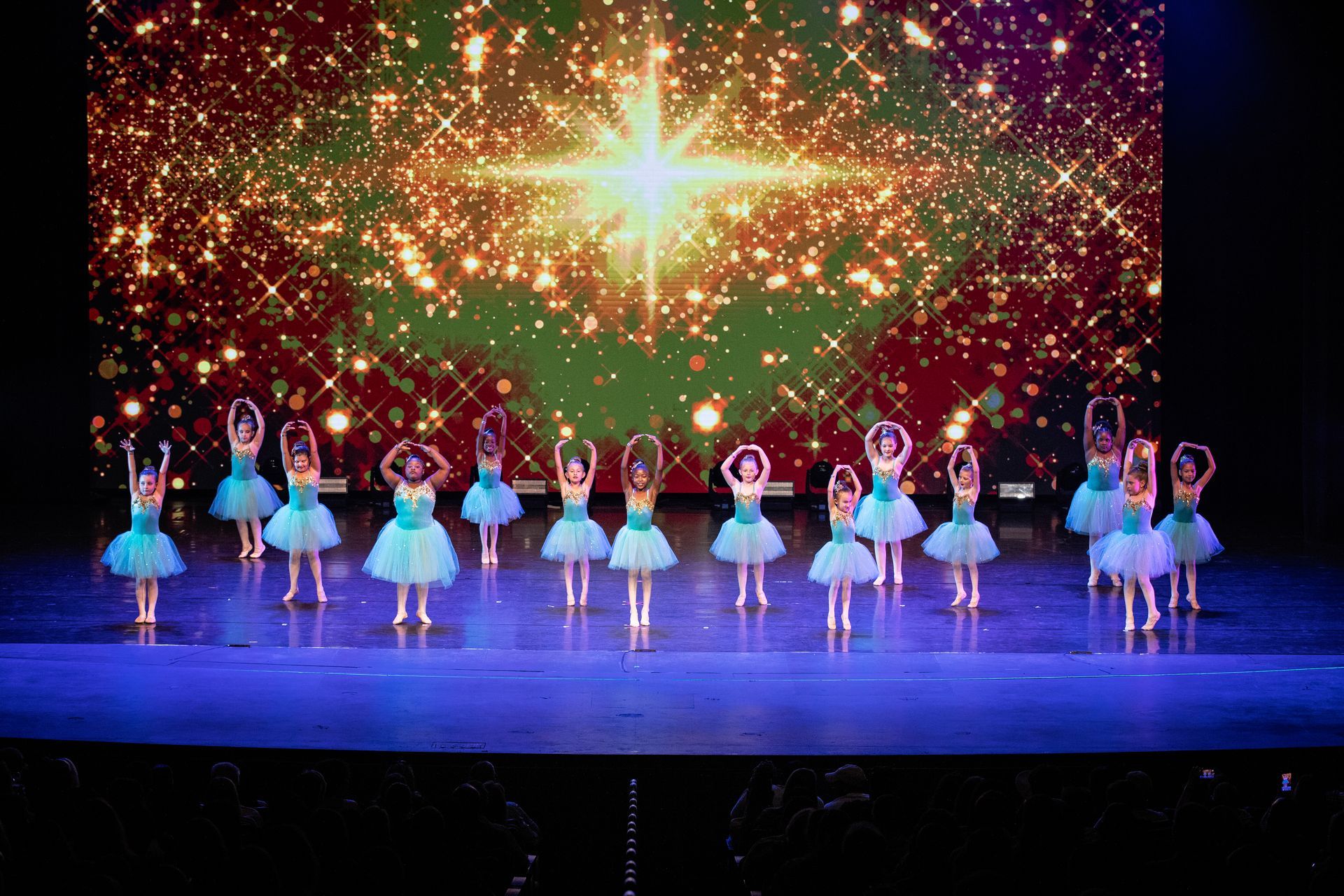
Ballet is one of the most traditional forms of dance and provides a technical foundation that supports many other dance styles.
Known for its graceful movements, structured positions, and precise technique, ballet emphasizes posture, balance, flexibility, and control.
What Do Students Learn in Ballet Classes?
- Proper posture, alignment, and body positioning
- Fundamental ballet positions and terminology
- Balance, strength, and flexibility
- Controlled movements, turns, and jumps
- Musicality and coordination
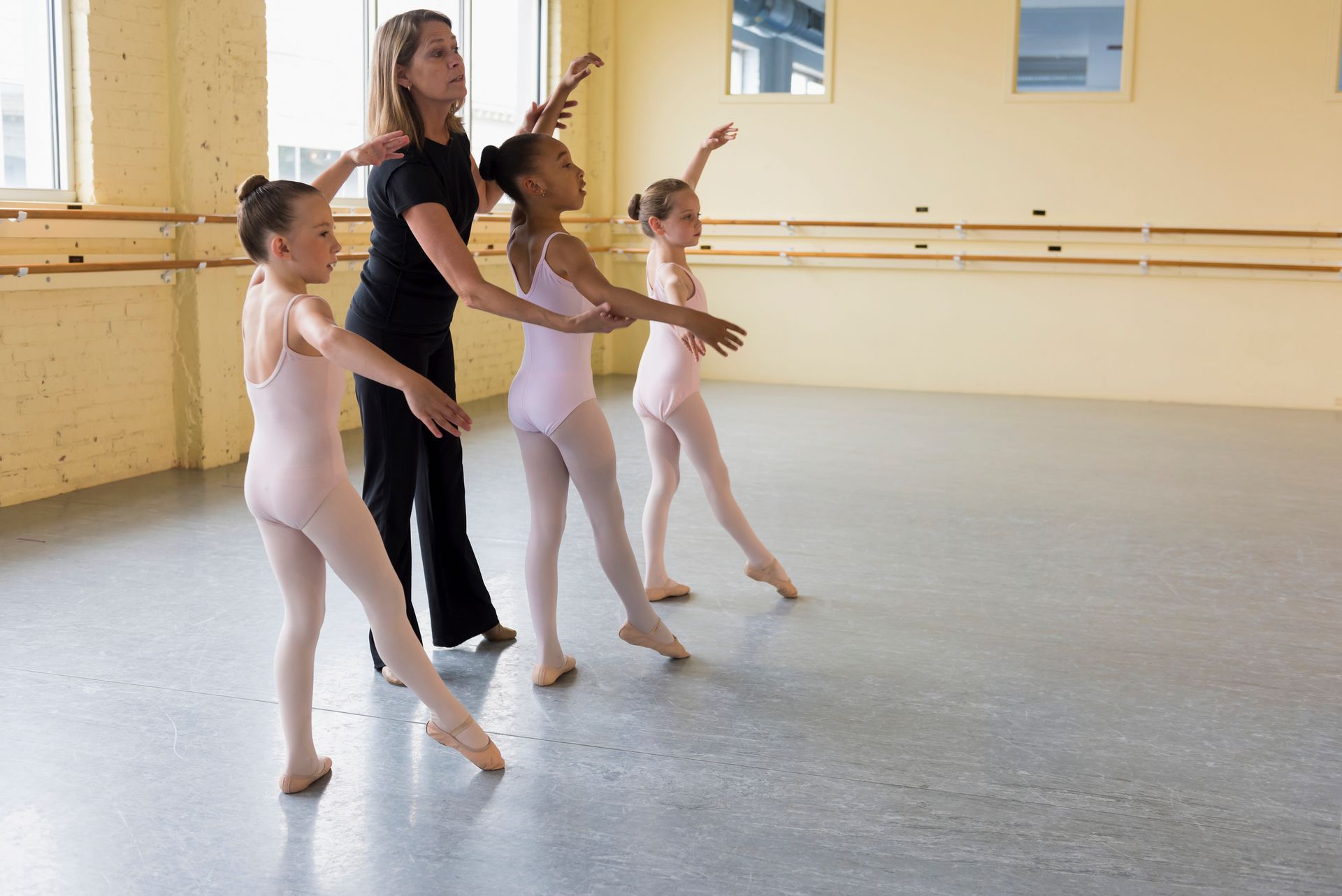
At Heidi Knight School of Dance, ballet students develop technique through barre exercises, center-floor work, and across-the-floor progressions. These exercises help dancers improve their skills while developing discipline, confidence, and body awareness.
Ballet can also complement other styles, particularly jazz and contemporary dance, where strength, flexibility, and technical control are important.
Explore our Ballet and Other Dance Classes for Grades 1–12.
Jazz: Energy, Flexibility, and Performance
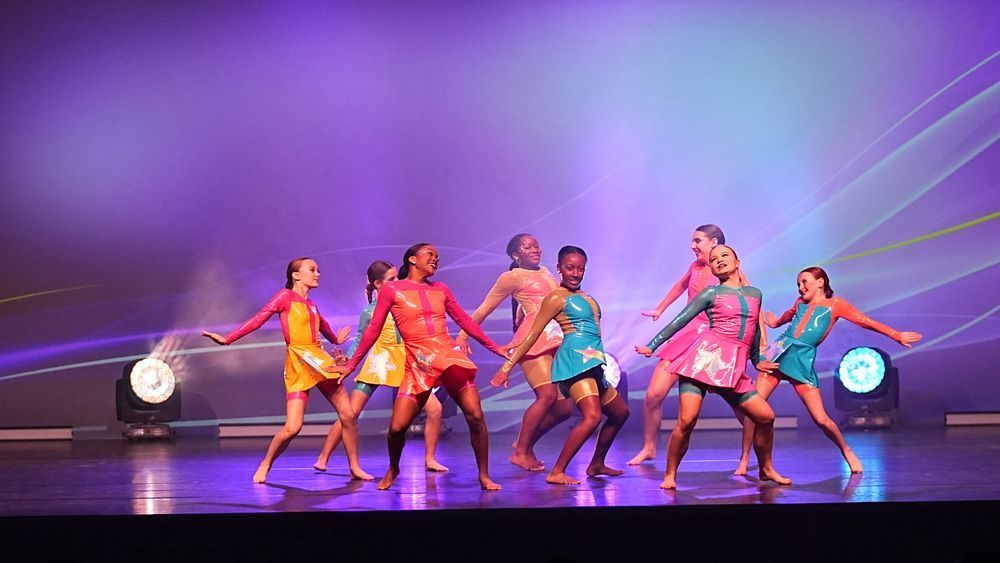
Jazz dance is an upbeat, expressive style that combines technical movement with energetic choreography.
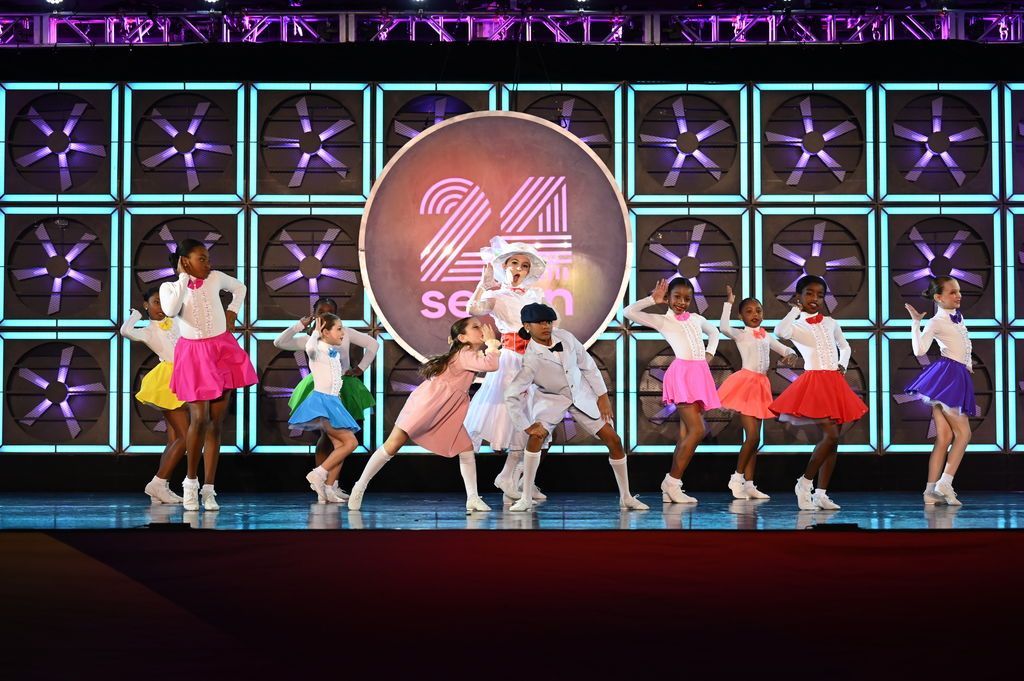
While ballet emphasizes controlled and precise movements, jazz often incorporates sharper movements, dynamic transitions, turns, leaps, and expressive performance.
Jazz is commonly performed to upbeat music, making it an engaging option for dancers who enjoy movement and choreography.
What Do Students Learn in Jazz Classes?
- Flexibility, strength, and coordination
- Turns, leaps, and jumps
- Musical timing and rhythm
- Performance skills and expression
- Choreography and movement combinations
At Heidi Knight School of Dance, jazz classes incorporate warm-ups, conditioning exercises, across-the-floor progressions, and choreography set to age-appropriate music.
Students learn how to combine proper technique with expressive movement, helping them grow as both dancers and performers.
Jazz also provides valuable foundational skills for students interested in exploring hip hop.
Tap: Turning Movement Into Music
Unlike ballet and jazz, tap dance focuses on creating rhythm through movement and sound.
Tap dancers wear special shoes with metal taps attached to the soles, allowing their feet to become instruments. Through different steps and combinations, dancers create rhythmic patterns that complement the music.
Tap is a unique dance style because students aren't just moving to the music. They're also creating sounds that become part of the performance.
What Do Students Learn in Tap Classes?
- Rhythm and musical timing
- Footwork and coordination
- Listening skills and musical awareness
- Weight transfers and balance
- Combining steps into rhythmic patterns
At Heidi Knight School of Dance, tap students develop their musicality and coordination while learning traditional tap techniques and combinations.
Tap offers a different type of dance experience that can be especially engaging for children who enjoy music, rhythm, and learning new movement patterns.
Hip Hop: Creativity, Confidence, and Individuality
Hip hop is a dynamic, energetic dance style influenced by street dance traditions, social and party dances, and hip hop culture. Hip hop often emphasizes grounded movements, rhythmic combinations, musical interpretation, and individual style.
Hip hop choreography can incorporate a variety of movements and techniques, giving dancers opportunities to explore creativity and personal expression.
What Do Students Learn in Hip Hop Classes?
- Rhythm and musical interpretation
- Coordination and body control
- Dynamic movement combinations
- Choreography and memorization
- Confidence and individual expression
At Heidi Knight School of Dance, hip hop classes feature age-appropriate choreography that encourages dancers to develop their movement skills while expressing their personalities.
An important distinction at Heidi Knight: Students enrolling in hip hop must also be enrolled in jazz.
For students who enjoy upbeat music, creative movement, and expressive choreography, hip hop offers another opportunity to grow their dance experience.
Ballet vs. Jazz vs. Tap vs. Hip Hop: Comparing Dance Styles
Although these dance styles share certain skills, each has a different emphasis:
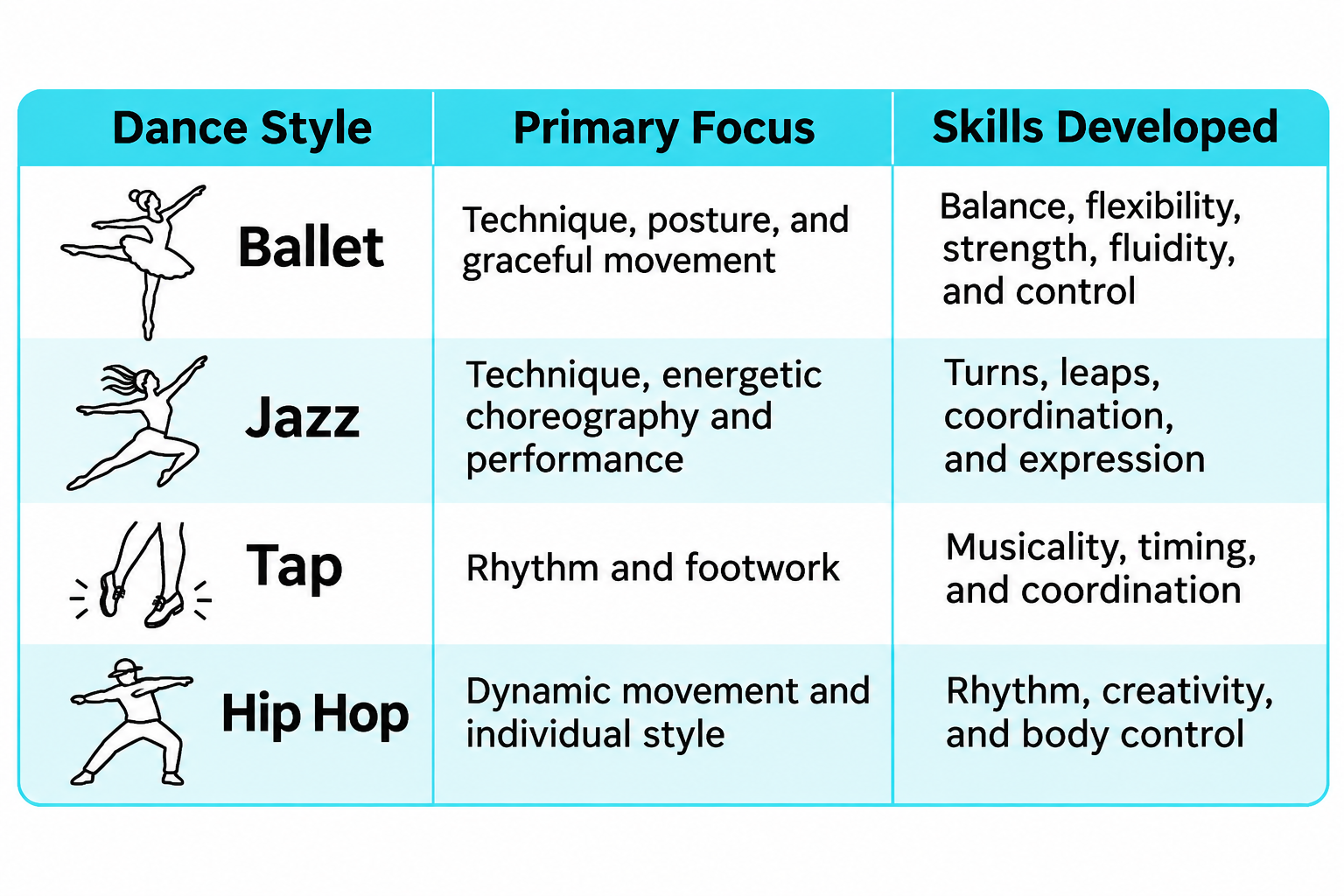
Each style offers valuable benefits, and learning more than one can help dancers develop a broader range of skills.
For example, ballet can improve balance and control that support jazz technique, while jazz and hip hop both encourage musicality and expressive movement. Tap introduces another dimension by helping dancers understand rhythm through sound.
Exploring Different Dance Styles at Heidi Knight School of Dance
One exciting part of learning to dance is discovering how different styles complement one another.
At Heidi Knight School of Dance, students can explore multiple dance styles as they grow and develop their skills. Our programs are designed around age and experience level, helping dancers build a strong foundation before progressing into more advanced techniques.
Preschool and Kindergarten Dance Classes
For our youngest dancers, we introduce movement and technique through age-appropriate classes that make learning fun.
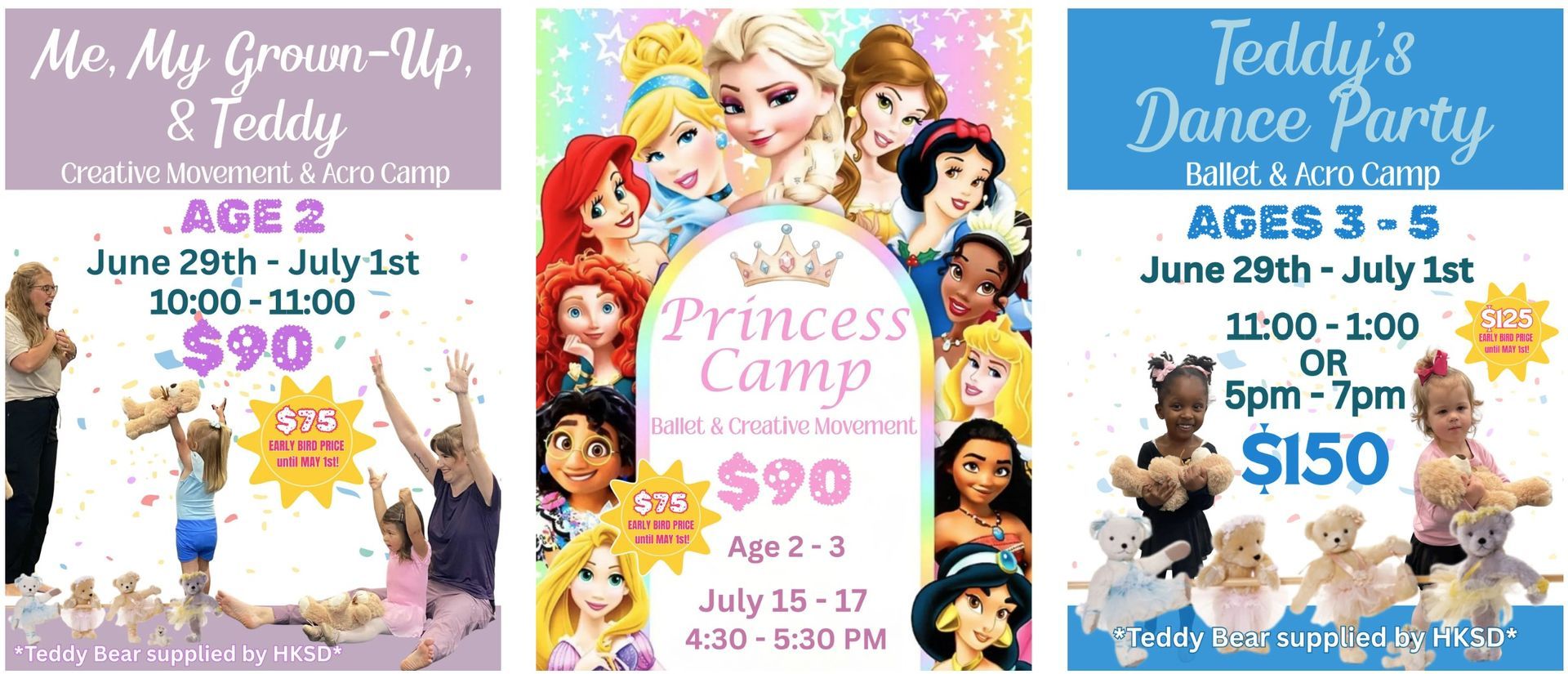
Our TWIRL Ballet & Tap Combo Classes, designed for children ages 2–5, combine foundational ballet and tap movements with imaginative activities that encourage creativity and coordination. Kindergarten students can explore ballet classes or jazz/tap combination classes, allowing them to experience different styles as they develop their dance skills.
Explore Preschool and Kindergarten Dance Classes.
Dance Classes for Elementary, Middle, and High School Students
As students grow, they can explore individual dance styles and develop more specialized skills. Heidi Knight offers ballet, jazz, tap, and hip hop classes for school-age dancers, with class options and requirements varying by grade and experience level.
Students can continue developing their technique in a favorite style or explore additional classes to expand their dance education. Some classes have prerequisites or experience requirements, so our team can help families understand the options available for their dancer.
View Dance Classes for Grades 1–12.
Why Learning Multiple Dance Styles Can Benefit Young Dancers
While every dancer may have a favorite style, exploring different types of dance can provide benefits that extend beyond learning new choreography.
- Improved coordination: Different dance styles challenge dancers to move their bodies in new ways, helping develop overall coordination and body awareness.
- Greater musicality: Ballet, jazz, tap, and hip hop each approach music differently, helping dancers develop a deeper understanding of rhythm and timing.
- Stronger technique: Skills learned in one style can support progress in another, particularly when it comes to balance, flexibility, strength, and control.
- Increased confidence: Learning new techniques and mastering unfamiliar movements can help students become more comfortable taking on challenges.
- Creative expression: Exploring multiple dance styles gives dancers opportunities to discover how they enjoy expressing themselves through movement.
At Heidi Knight School of Dance, we encourage dancers to continue learning, exploring, and developing their skills in a supportive environment.
Discover Dance Classes at Heidi Knight School of Dance
Whether your child is interested in the graceful technique of ballet, the energy of jazz, the rhythms of tap, or the creativity of hip hop, every dance style offers something unique.
At Heidi Knight School of Dance, we're proud to provide a welcoming environment where children and teens can explore their interests, develop new skills, and build confidence through dance. Serving families throughout Huntsville, Madison, Monrovia, Harvest, and surrounding communities, our studio offers dance classes designed to support students at different ages and experience levels.
Ready to explore our dance programs?
View Available Classes and Register Today or contact Heidi Knight School of Dance to learn more about finding the right classes for your dancer.
Frequently Asked Questions About Dance Styles
What is the main difference between ballet and jazz?
Ballet focuses on classical technique, posture, balance, and controlled movements. Jazz incorporates many technical dance skills but typically features more energetic choreography, sharp movements, turns, leaps, and expressive performance.
Is tap dancing different from other dance styles?
Yes. Tap is unique because dancers use their shoes to create rhythmic sounds through footwork. While other styles emphasize movement to music, tap dancers also contribute to the rhythm through the sounds they make.
Do you need ballet experience to take jazz classes?
Not necessarily. Jazz can be introduced independently of ballet, although ballet training can help dancers develop strength, flexibility, balance, and control that support jazz technique. Class placement and experience requirements may vary.
Can my child take both jazz and hip hop at Heidi Knight?
Yes. Heidi Knight School of Dance offers both jazz and hip hop classes, and students enrolled in hip hop are required to take jazz as well. This allows dancers to develop complementary skills across both styles.
Can children learn more than one dance style?
Absolutely! Learning multiple dance styles can help children develop different movement skills, improve coordination, and explore their interests. At Heidi Knight School of Dance, students have opportunities to enroll in multiple classes based on their age, experience, and class requirements.